Woodworm infestations are a common problem in wooden structures, furniture, and antiques. These tiny larvae, usually of the Anobium punctatum beetle, bore holes and tunnels into wood, causing structural damage over time. Traditionally, chemical treatments like insecticidal sprays and fumigation have been used to eliminate woodworms. However, recent advancements in pest control have introduced microwave equipment as an effective, eco-friendly alternative for woodworm eradication.
Microwave technology for pest control works by generating electromagnetic waves that penetrate wooden materials. These waves produce heat within the wood, raising its internal temperature to a level that is lethal to woodworm larvae and eggs. The principle is similar to a household microwave oven but is specifically designed for professional www.shashel.eu wood treatment. Unlike chemical methods, microwave treatment does not leave toxic residues on treated surfaces, making it safe for antiques, wooden furniture, and indoor environments.
One of the main advantages of using microwave equipment for woodworm elimination is its precision. Traditional fumigation often requires sealing entire rooms or structures and can pose health risks to humans and pets. Microwave treatment, in contrast, targets the infested wood directly. The equipment typically consists of a microwave generator, control unit, and applicator, which allows the operator to focus the energy precisely on affected areas. This minimizes damage to surrounding materials and reduces the risk of overexposure.
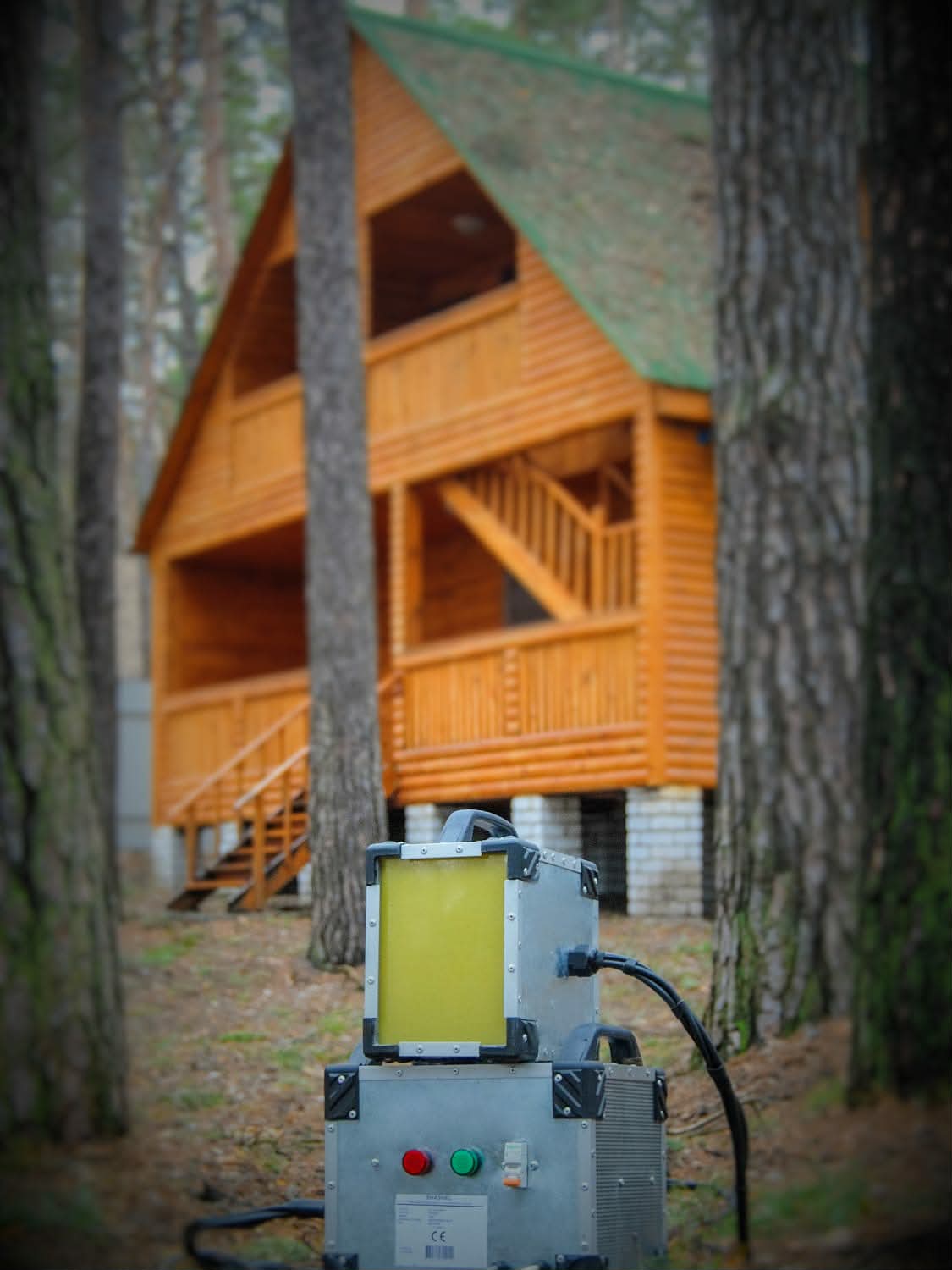
Another significant benefit is speed. Chemical treatments can take weeks or even months to be fully effective, as they rely on the insect coming into contact with the toxic substance. Microwave treatment, however, can eradicate woodworms in a matter of hours, depending on the size and thickness of the wood. This rapid action is particularly valuable in heritage conservation and furniture restoration, where prolonged chemical exposure can harm delicate finishes or varnishes.
Safety is also a key consideration. Professional microwave equipment is designed with shields and sensors to ensure that heat is evenly distributed without posing a risk of fire or structural damage. Operators are trained to monitor moisture content, as excessive heating in damp wood could cause cracking. Many systems include temperature feedback mechanisms to maintain optimal treatment conditions while ensuring effective eradication of pests.
Moreover, microwave treatment is environmentally friendly. It eliminates the need for toxic chemicals that could contaminate soil or water. It also reduces the risk of chemical exposure for workers and occupants of treated areas. For individuals seeking sustainable pest control methods, this technology offers a responsible alternative to conventional chemical treatments.
Despite its advantages, microwave equipment requires trained professionals for safe and effective operation. The cost of equipment and training may be higher compared to traditional methods, but the long-term benefits in preserving valuable wood and avoiding chemical hazards often outweigh the initial investment.
In conclusion, microwave equipment represents a modern, efficient, and environmentally responsible approach to woodworm elimination. Its ability to precisely target infestations, rapidly eradicate pests, and preserve wooden structures makes it a preferred solution for homeowners, restorers, and conservationists. As awareness of eco-friendly and non-toxic pest control grows, microwave treatment is likely to become increasingly popular in protecting wood from destructive insects.